In recent years, e-commerce has experienced exponential growth worldwide, reshaping consumer behavior and business operations alike. Poland, with its rapidly expanding digital marketplace, is no exception. This transformation brings a spotlight onto logistics, a critical component of the e-commerce value chain, presenting both challenges and opportunities.
The Impact of Logistics on E-Commerce
Logistics plays a crucial role in the success of e-commerce by ensuring products are efficiently delivered from sellers to buyers. In Poland, where the e-commerce market has been burgeoning, effective logistics are key to sustaining growth and enhancing consumer satisfaction. The logistical efficiency affects not just delivery speed, but also the overall shopping experience, influencing consumer loyalty and brand reputation.
Challenges in Polish E-Commerce Logistics
1. Infrastructure Limitations: Despite significant enhancements in recent years, Poland's infrastructural development still faces challenges. The road networks and transportation systems, particularly in rural areas, are not as developed as those in Western Europe, affecting delivery efficiency and timelines.
2. Last-Mile Delivery: The most complex and costly segment of transportation, last-mile delivery in Poland encounters several hurdles. Dense urban areas with heavy traffic and restricted unloading zones complicate logistics, while remote rural locations require innovative delivery solutions.
3. Seasonal Peaks: Poland, like many other markets, witnesses seasonal spikes in e-commerce activity during holidays and sales, exerting pressure on logistics providers to expand capacity rapidly and efficiently without compromising service quality.
4. Regulatory Frameworks: Navigating the varying regulations across the European Union and within Poland itself presents a significant challenge for logistics and e-commerce firms, facing issues related to taxation, cross-border operations, and compliance standards.
5. Sustainability Concerns: Growing environmental awareness among consumers demands sustainable practices in logistics operations. Reducing carbon footprints while maintaining efficiency presents a formidable challenge.
Opportunities for Innovation and Growth
1. Technological Advancements: Integrating advanced technologies like Artificial Intelligence (AI) and Machine Learning (ML) can optimize routes, enhance inventory management, and forecast demand more accurately, reducing delivery times and costs.
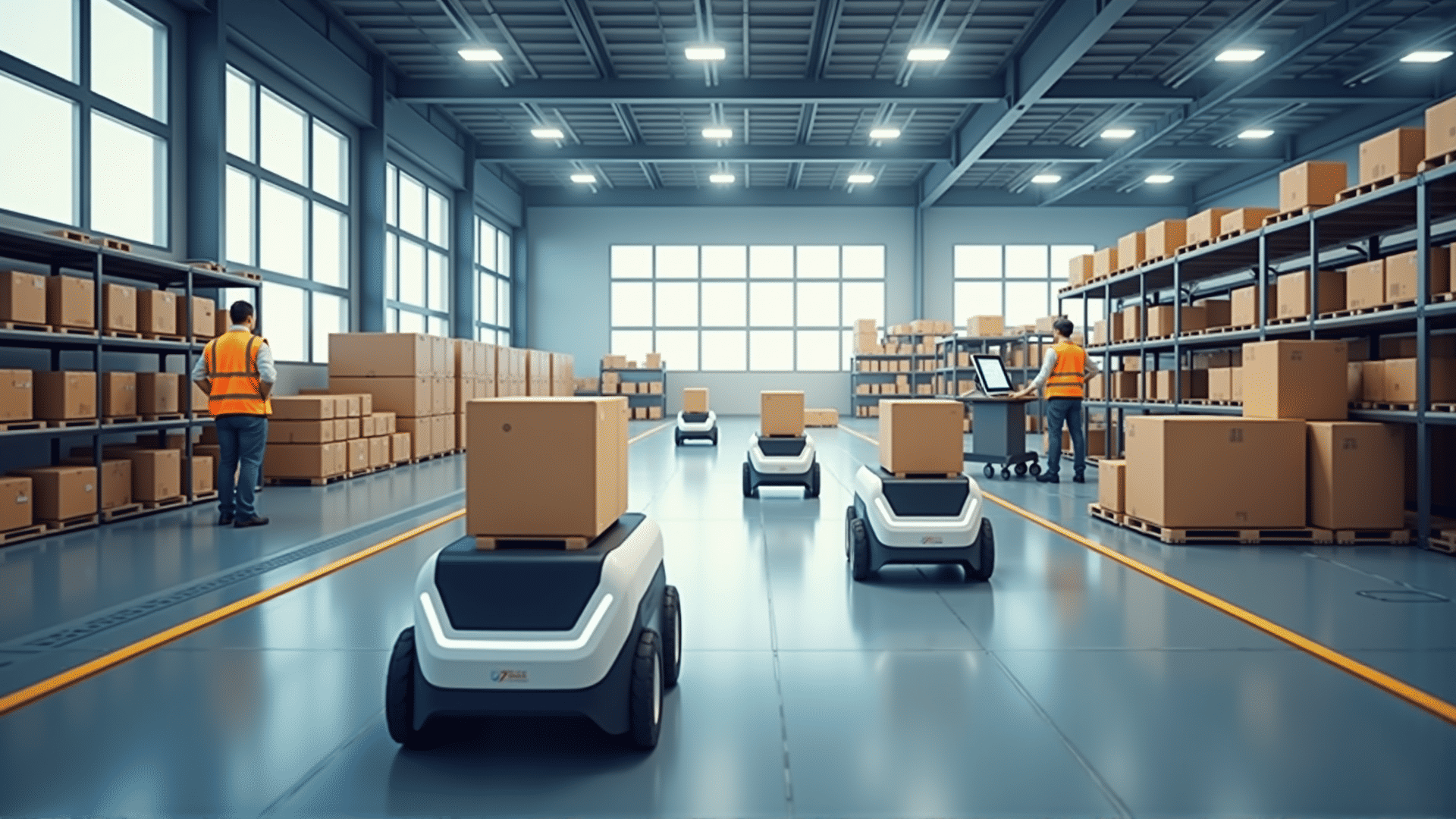
2. Automation and Robotics: Automation in warehousing and fulfillment centers, along with drone deliveries in less accessible areas, creates tremendous opportunities to address labor shortages and improve operational efficiency.
3. Increased Use of Data Analytics: Leveraging big data analytics enables logistics providers to gain insights into consumer behaviors and preferences, allowing for more tailored and efficient delivery options.
4. Expansion of Logistics Networks: Building more regional distribution centers throughout Poland can decentralize logistics operations, reduce strain on major hubs, and improve delivery times, particularly for rural customers.
5. Green Logistics: Encouraging electric vehicles for deliveries, investing in eco-friendly packaging, and optimizing delivery routes to reduce emissions align logistics operations with consumer expectations for sustainable practices.
The Way Forward
For e-commerce businesses in Poland, actively addressing logistical challenges while capitalizing on emerging opportunities is essential for continued growth. Collaboration between governmental bodies, logistics providers, and e-commerce companies is key to navigating challenges and leveraging innovation. As Poland continues to carve out a significant place in the global e-commerce landscape, strategic investment in logistics will ensure that the market not only sustains its growth trajectory but also enhances its competitive edge.
By embracing these changes, Poland can not only overcome the logistical hurdles in its e-commerce sector but also set an example for other countries aspiring to modernize their own logistical frameworks efficiently.